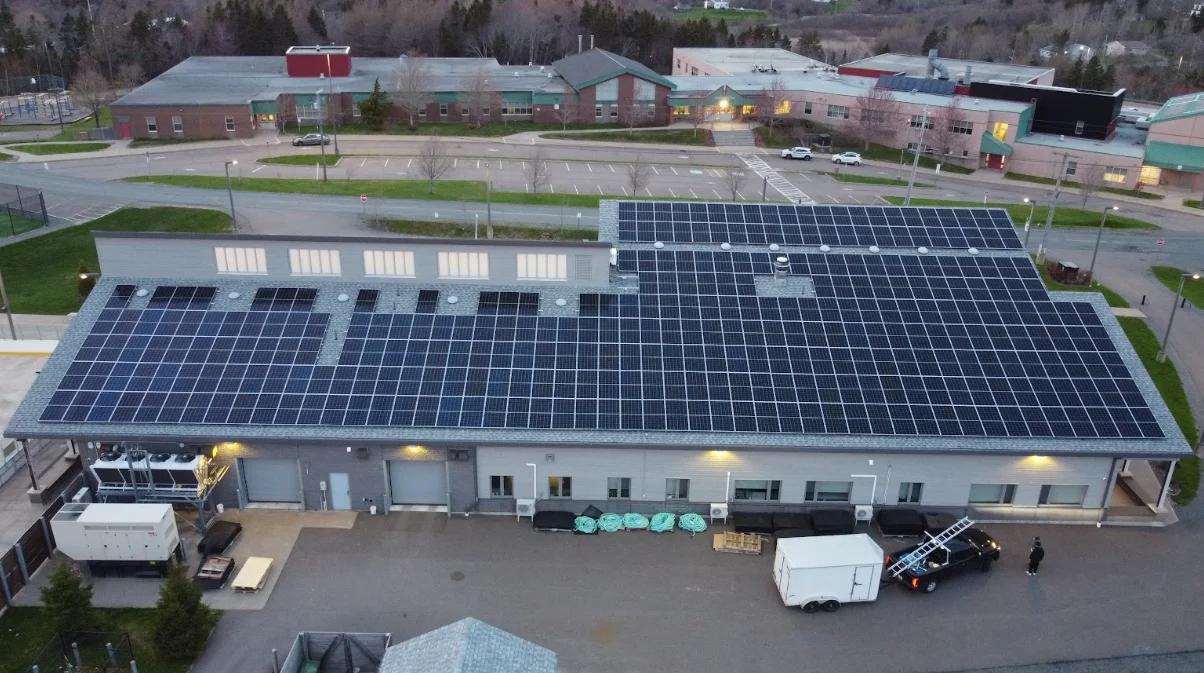
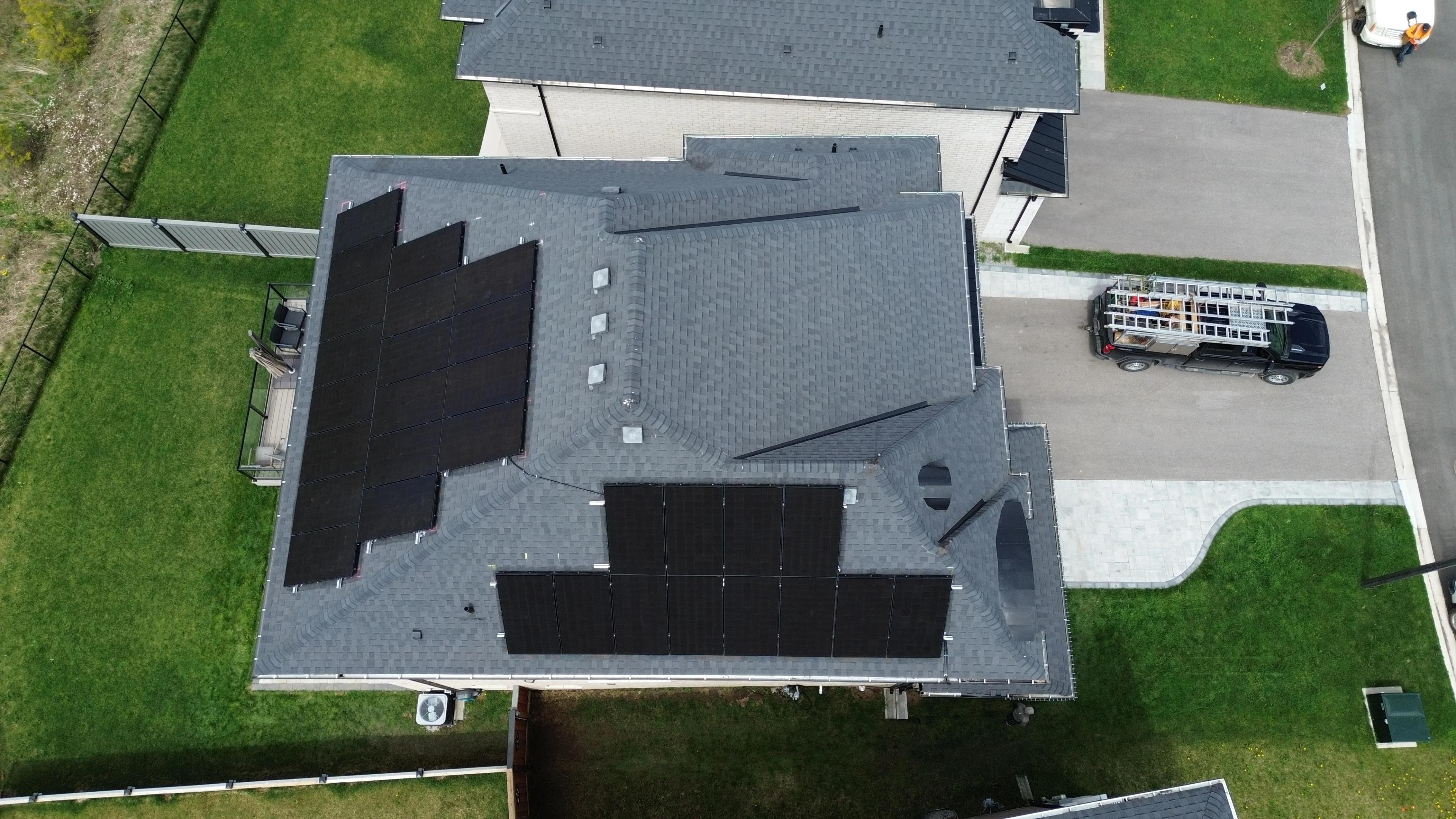
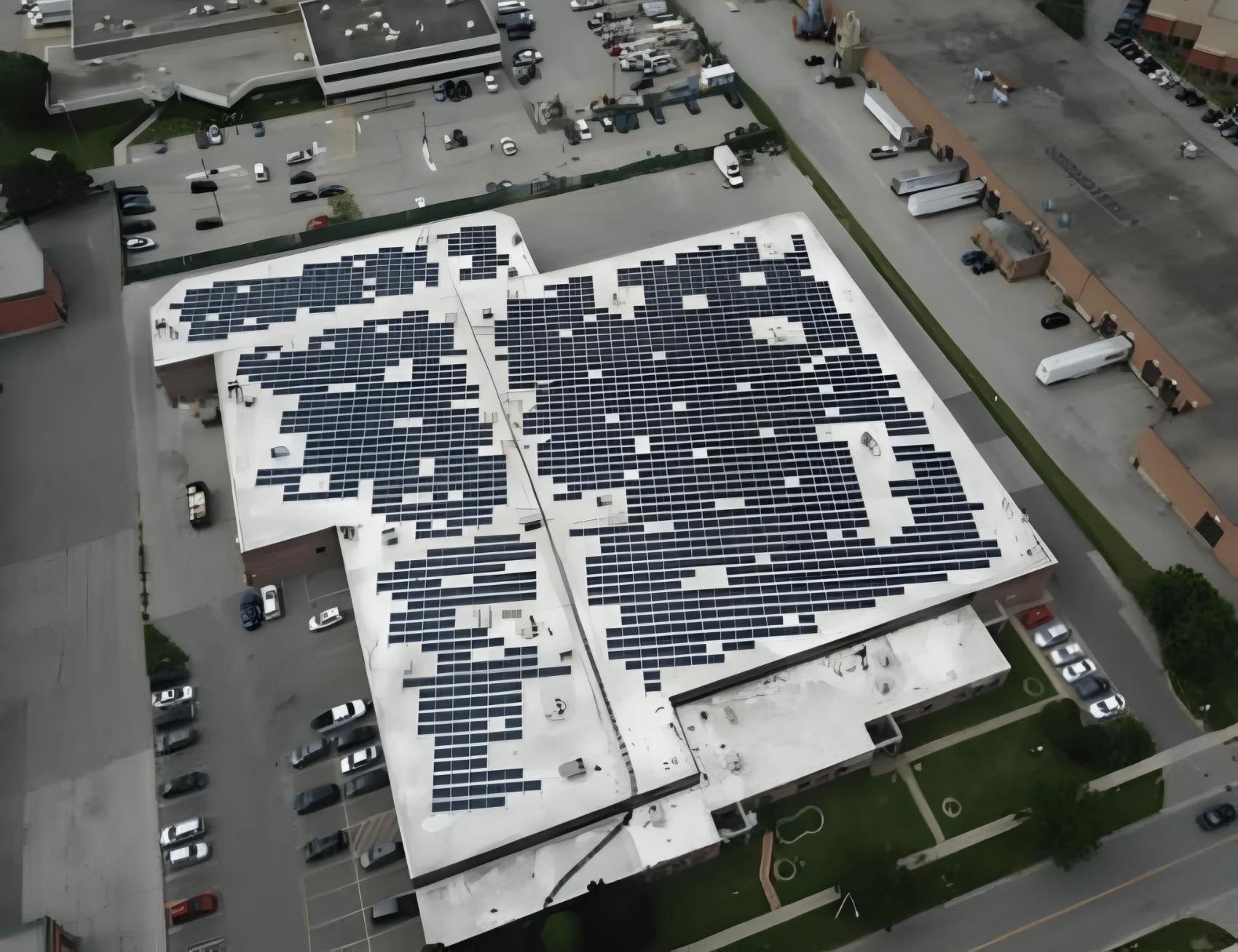

Abstract close-up of a sleek, dark glass grid pattern on a modern corporate building facade, symbolizing commercial solar infrastructure and business energy storage engineering.

We Are Your Energy Partner

Business Solar & Energy Storage FAQ

Navigating solar projects for businesses require precision. We’ve answered the most critical questions regarding commercial system engineering, utility interconnection, and project timelines. Empower your stakeholders with the facts and build total confidence in our turnkey clean energy solutions.

General

Polaron offers commercial Solar PV systems, Battery Energy Storage Systems (BESS), and EV charging solutions, available individually as standalone solutions or integrated together as a complete energy package tailored to your facility's needs.

Solar Energy

Commercial Solar PV systems operate using the same fundamental principles as residential solar but are typically larger in scale, generally exceeding 10 kW, and designed around the higher energy requirements of businesses and commercial facilities. Solar panels generate DC electricity from sunlight, which is converted by inverters into AC electricity for use within the facility or export to the grid. While the core technology and operating principles remain the same, commercial systems often involve larger arrays and more complex electrical, structural, and utility interconnection requirements.

Businesses are going solar to directly improve their long-term profit margins, lower operating expenses, reduce electricity costs, and take advantage of time-limited incentives. Commercial properties often have significant energy consumption and valuable unused roof or property space that can be turned into a long-term financial asset. Businesses may also have access to a wider range of incentives, tax credits, grants, and financing opportunities that can significantly improve project economics and reduce upfront investment. With predictable energy savings over decades, solar is increasingly becoming a strategic financial investment for businesses.

Commercial solar can help businesses reduce their greenhouse gas emissions and overall carbon footprint by generating clean, renewable electricity on-site. Solar supports broader Corporate Social Responsibility (CSR), Environmental, Social and Governance (ESG), and corporate sustainability goals, while helping businesses demonstrate measurable progress toward emissions-reduction commitments. In Canada, where customers, investors, supply chains, and organizations are increasingly focused on sustainability, solar provides businesses with a tangible way to strengthen their environmental performance and demonstrate a long-term commitment to cleaner operations.

Commercial solar incentives vary by province, utility territory, project type, business structure, and program availability.

However, there are certain programs that are available all across Canada.

The Net Metering Program is available in all the provinces we service, which allows you to collect credits for the energy you export to the grid and offset future months' energy bills.

The Federal Tax Incentives are also available across Canada, which include the Clean Technology Investment Tax Credit, which is a refundable tax credit reducing your total system cost & the Capital Cost Allowance, which allows you to enable a tax write-off through depreciating the cost of the equipment.

Polaron reviews province & business-specific applicable programs during project development and can help identify your eligibility to improve project economics. Incentive programs are time-limited, so we encourage you to contact us and check your availability for each project.

To learn more, visit our Commercial Solar Incentives page.

To prepare an accurate commercial solar proposal, we typically start with 12 months of complete utility bills, the property address or installation location, and basic information about the building, including the roof type and roof age.

For a more detailed assessment, we also recommend providing 12 months of hourly electricity consumption data, particularly for facilities with demand charges or projects considering battery storage. This allows our team to better understand when and how your facility uses electricity and develop a more optimized system design and financial analysis.

Additional information, such as photos of the utility meter, architectural or roof drawings, and an outline of the available rooftop or ground-mount area, can also help improve the accuracy of the initial assessment.

Don't have everything available? That's okay. Our team can help identify what information is needed and guide you through the process.

The installation timeline for a commercial solar project varies based on factors such as system size, site complexity, permitting, utility approval, and weather conditions. The timeline will typically range between 8-12 months from contract to installation. The physical installation will only need 5-10 days to complete.

Commercial solar projects require review and approval from the local electricity utility before the system can operate in parallel with the grid.

The process includes an initial capacity review, formal interconnection application, engineering studies, technical drawings, protection requirements, utility agreements, inspections, and final permission to operate.

Requirements and timelines vary considerably depending on the utility, system size, site electrical infrastructure, and available grid capacity.

Polaron handles the interconnection process on behalf of all our clients as part of our turnkey solution. Final approval and timelines remain subject to the local utility and other applicable authorities.

Commercial solar projects often achieve a payback period of approximately 6 to 9 years or 17-20% IRR. The Return on Investment timelines for a commercial solar installation depend on several factors, including system size, electricity consumption, utility rates, roof type & available incentives. Our industry-leading finance program can often allow clients to be cash flow positive in the 1st Year. Polaron provides a detailed, site-specific ROI analysis to help businesses understand their projected savings, payback period, and long-term financial benefits.

As a general starting point, a minimum 10 kW commercial solar system may require approximately 1000 sq. ft. of usable roof space, with larger systems requiring proportionally more area. The amount of roof space required depends on the desired system capacity, module efficiency, roof layout, structural conditions, setbacks, obstructions, and applicable building and fire-code requirements.

Not every square foot of roof area can necessarily be used for solar. Mechanical equipment, skylights, drainage paths, access routes, shading, structural loading, and required clearances all affect the final layout.

Polaron reviews satellite imagery, building drawings, electricity consumption, and site information to estimate how much solar capacity can reasonably be installed.

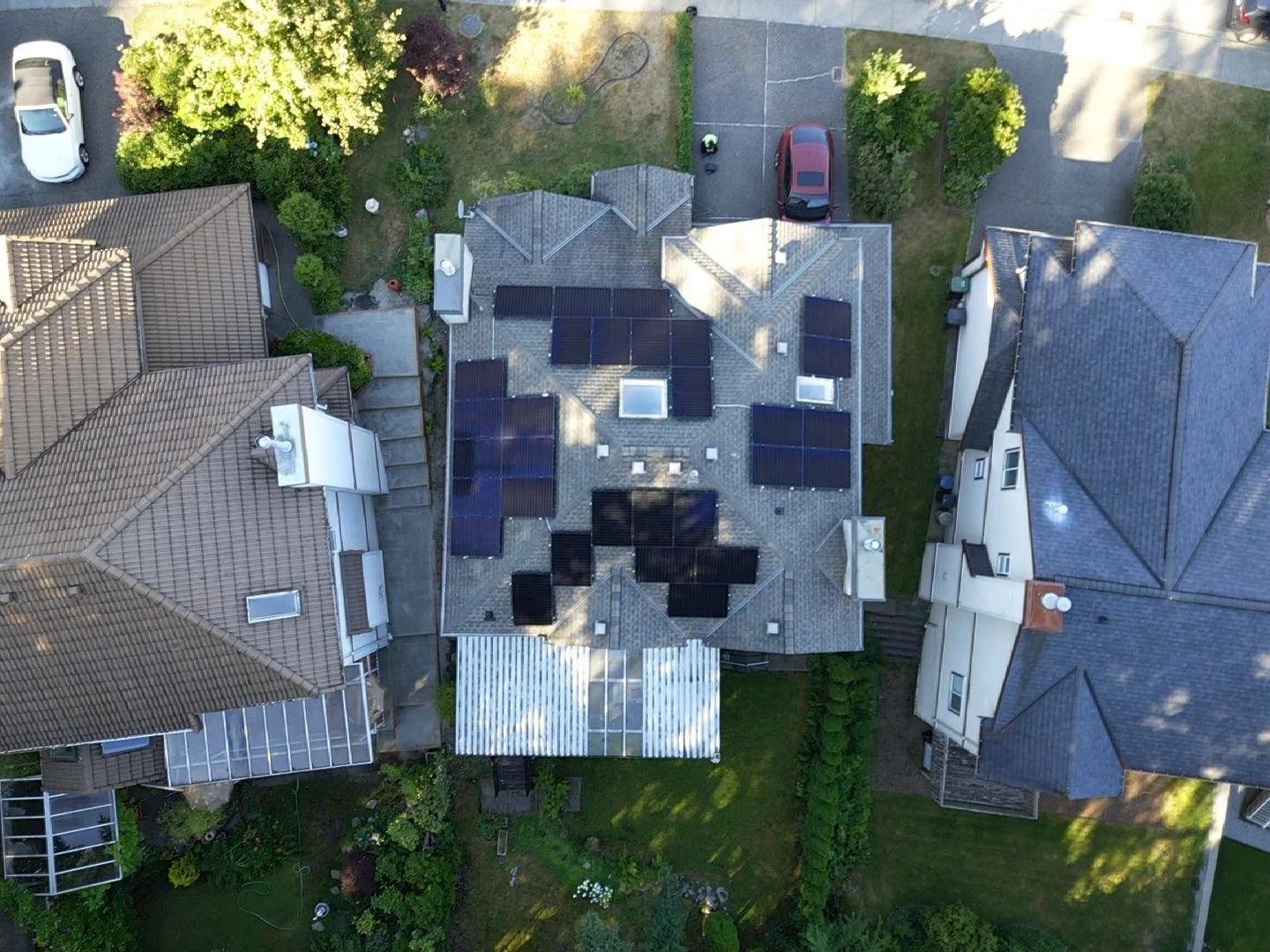
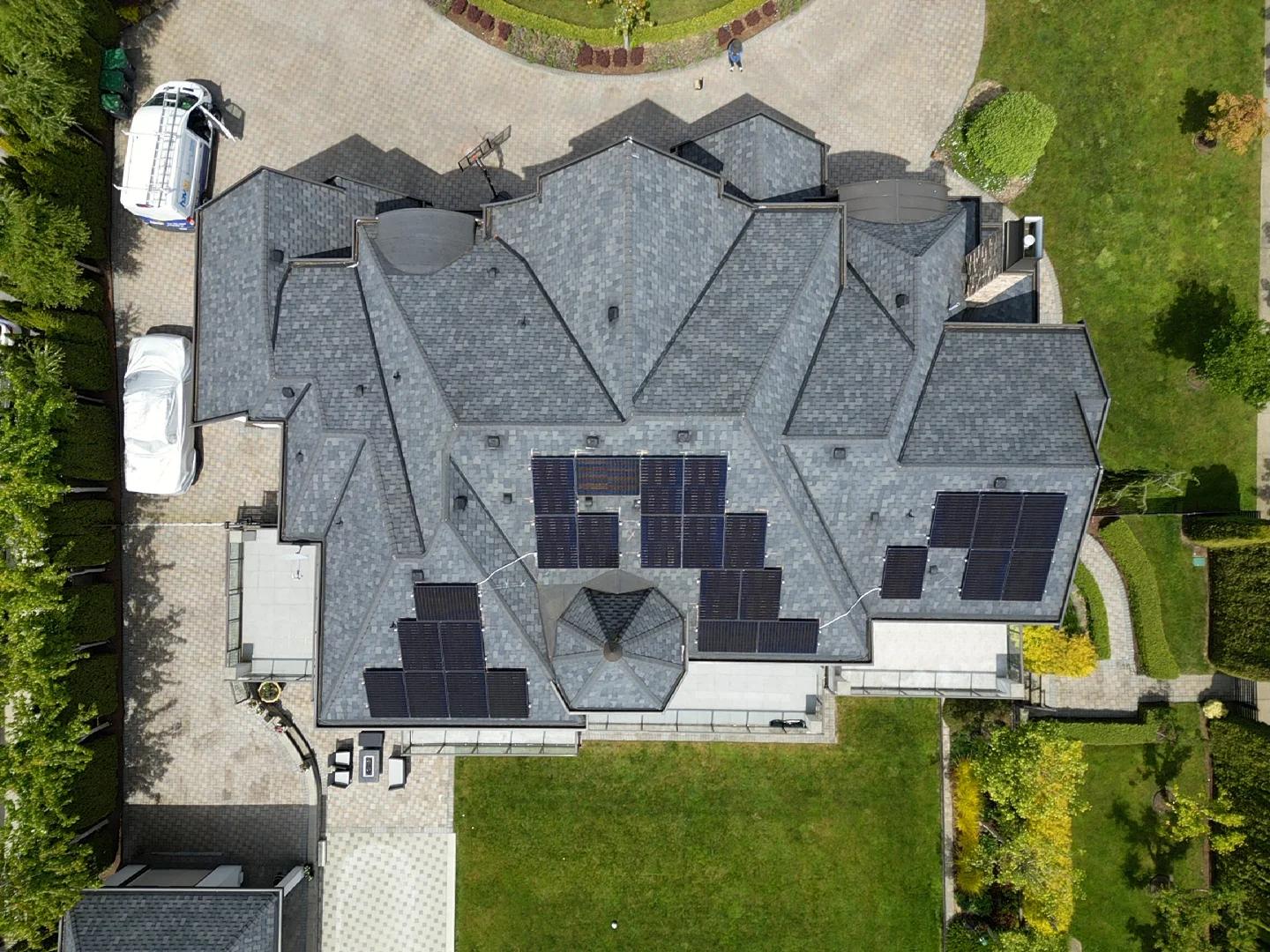
Commercial solar is primarily installed on flat roofs, pitched metal roofs, and pitched shingle roofs. The mounting approach is designed around the specific roofing material and structure to securely support the solar array while maintaining roof integrity. Roof condition, structural capacity, available usable space, shading, drainage, and required setbacks are reviewed as part of the project assessment to confirm suitability.

Businesses operating from leased properties can still be able to install solar with the property owner's authorization and an appropriate agreement between the parties.

For leased properties, important considerations include the remaining lease term, responsibility for the solar equipment, access rights, roof maintenance obligations, insurance requirements, and what happens to the system if the lease ends or the property is sold.

Polaron can work with both tenants and property owners to evaluate whether a solar project is practical for a leased facility.

Net metering allows businesses with solar to use the electricity they generate on-site and send excess production back to the utility grid. Excess electricity exported to the grid generates credits that can be used to offset electricity consumed from the grid at other times. A net metering solar system is often designed so its annual production matches your business's annual electricity consumption, helping maximize your total annual bill savings. Exact net metering rules vary by utility and province.

Behind-the-meter, or Load Displacement Solar, generates electricity for direct real-time use by your facility. Unlike net metering, the system can be designed primarily around on-site consumption rather than exporting excess energy for credits. Solar production is consumed by the facility as it is generated, making the business's daytime load profile an important factor in system sizing. Behind-the-meter solar can also be paired with a BESS to store excess production for use later in the day or during periods of higher electricity costs.

Commercial solar feasibility depends on several factors, including available roof or ground space, roof condition and structural capacity, shading, electrical infrastructure, utility connection requirements, and the facility’s electricity consumption and load profile. Financial considerations such as utility rates, available incentives, project costs, and expected energy savings also play an important role. A site and energy assessment brings these factors together to determine the appropriate system size, expected production, and overall project feasibility.

Commercial solar panels are designed for long-term operation and can typically provide reliable energy production for 30+ years, with output gradually decreasing over time through normal degradation. Solar inverters generally have an expected lifespan of approximately 10–15 years and may require replacement during the life of the system. Proper system design, routine maintenance, and ongoing monitoring can help maximize performance and extend the overall life of the solar installation.

On cloudy days, solar panels will continue to generate electricity, although at reduced output; at night, they will not produce electricity, and your facility will automatically draw power from the grid as usual. During winter, production is typically lower due to shorter daylight hours and periods of snow coverage. Under net metering, excess production and credits generated during higher-production months can help offset electricity costs during these lower-production periods. Solar production estimates are calculated on an annual basis and already account for expected weather and seasonal variations throughout the year.

Battery Energy Storage Systems (BESS)

A commercial battery energy storage system (BESS) is a system that stores electrical energy in batteries for use at a later time. It consists of battery modules, power conversion equipment, controls, and an energy management system (EMS), and can be integrated with a facility's electrical system or on-site generation such as solar.

Commercial BESS provides three primary benefits that businesses are taking advantage of:

1. Critical load backup
2. Peak demand shaving
3. Time-of-use optimization

There are direct financial benefits & protection for business operations for each application, depending on the facility's energy usage, utility rate structure, and operational requirements. Paired BESS with Solar & EV Charging Solutions creates long-term value for businesses and their energy infrastructure.

If a BESS is designed and configured for backup power, it can automatically disconnect from the utility grid during an outage and continue supplying electricity to designated critical loads. The system will provide backup power until grid service is restored or the battery reaches its minimum allowable state of charge. Backup capability and duration depend on the system design, battery capacity, available state of charge, and the amount of critical load being supported.

Commercial battery storage can reduce peak demand charges by strategically discharging stored energy when your facility's electricity demand is highest. By supplying a portion of the facility's power from the battery during these peak periods, the BESS reduces the amount of electricity drawn from the grid and can lower the peak demand recorded by the utility for billing purposes. This strategy is commonly known as peak shaving or load shifting. It is particularly valuable for commercial facilities with high & variable demand peaks greater than 50kW.

Time-of-Use (TOU) optimization is a strategy that uses a BESS to shift electricity consumption from higher-cost to lower-cost periods. Under TOU pricing, electricity rates vary throughout the day, typically between off-peak, mid-peak, and on-peak periods, with on-peak electricity generally costing the most. The battery can charge during lower-cost off-peak periods and discharge during higher-cost mid-peak or on-peak periods, with the difference between the cost of charging and the avoided higher electricity rate representing the energy cost savings.

The right BESS size depends on your facility's energy usage, peak demand, load profile, and intended application, such as backup power, peak shaving, or time-of-use optimization. Reviewing your average hourly load and peak demand is a good starting point for estimating system size requirements. For accurate sizing, contact a Polaron energy specialist to review your facility's energy needs and recommend an appropriate BESS solution.

For many commercial BESS applications, the battery is designed to discharge its usable energy over approximately two hours at its rated power. For example, a battery with 100 kWh of energy capacity, with 50 kW of rated power output, would provide about two hours of backup for a 50kW load. Actual backup duration will vary depending on the battery size, the amount of critical load being supported, available state of charge, system efficiency, and operating conditions.

A commercial BESS lifespan is largely influenced by the number and depth of charge and discharge cycles it experiences. Polaron's battery systems are warranted for 6,000 cycles or 10 years, whichever comes first. Battery capacity will gradually decrease through normal degradation, while proper system sizing, operating controls, and maintenance can help maximize its useful life and long-term performance.

Yes, some commercial battery energy storage projects in Canada may qualify for federal or provincial incentives, tax credits, or program-based support. Polaron also offers our own In-House Battery Rebate. Eligibility depends on the province, the type of project, the equipment used, and whether the system is paired with solar or other clean energy infrastructure. Because incentives change over time, businesses should confirm the latest available programs by contacting the Incentives Page.

Commercial EV Charging

Yes. EV charging can be installed for private or public use, depending on your business needs. Private charging can support employees, company fleets, tenants, or designated vehicles, while public charging can provide charging for customers, visitors, and the general public. Polaron can assess your electrical infrastructure, parking layout, expected charging demand, and future needs to recommend the appropriate charging solution.

The right charger depends on who will be using it, how long vehicles typically remain parked, how quickly they need to charge, and your available electrical capacity. Level 2 charging is commonly suited for workplaces, fleets, apartments, retail, and other locations where vehicles remain parked for longer periods, while DC fast charging is designed for applications where significantly faster charging is required. Polaron can assess your site and recommend the appropriate charger type, power level, and quantity.

Yes. Depending on your location, business type, and project, federal, provincial, utility, and other incentive programs may be available to help offset the cost of EV charging infrastructure. Programs and eligibility requirements change over time, so visit our Incentives page or contact a Polaron specialist to explore funding opportunities currently available for your project.

Limited electrical capacity does not necessarily prevent a business from installing EV chargers. Solutions such as dynamic load management, controlled charging, battery energy storage, or electrical infrastructure upgrades can be considered to manage additional charging demand. Polaron reviews the facility's existing electrical service and expected charging requirements to determine the most practical approach.

Product

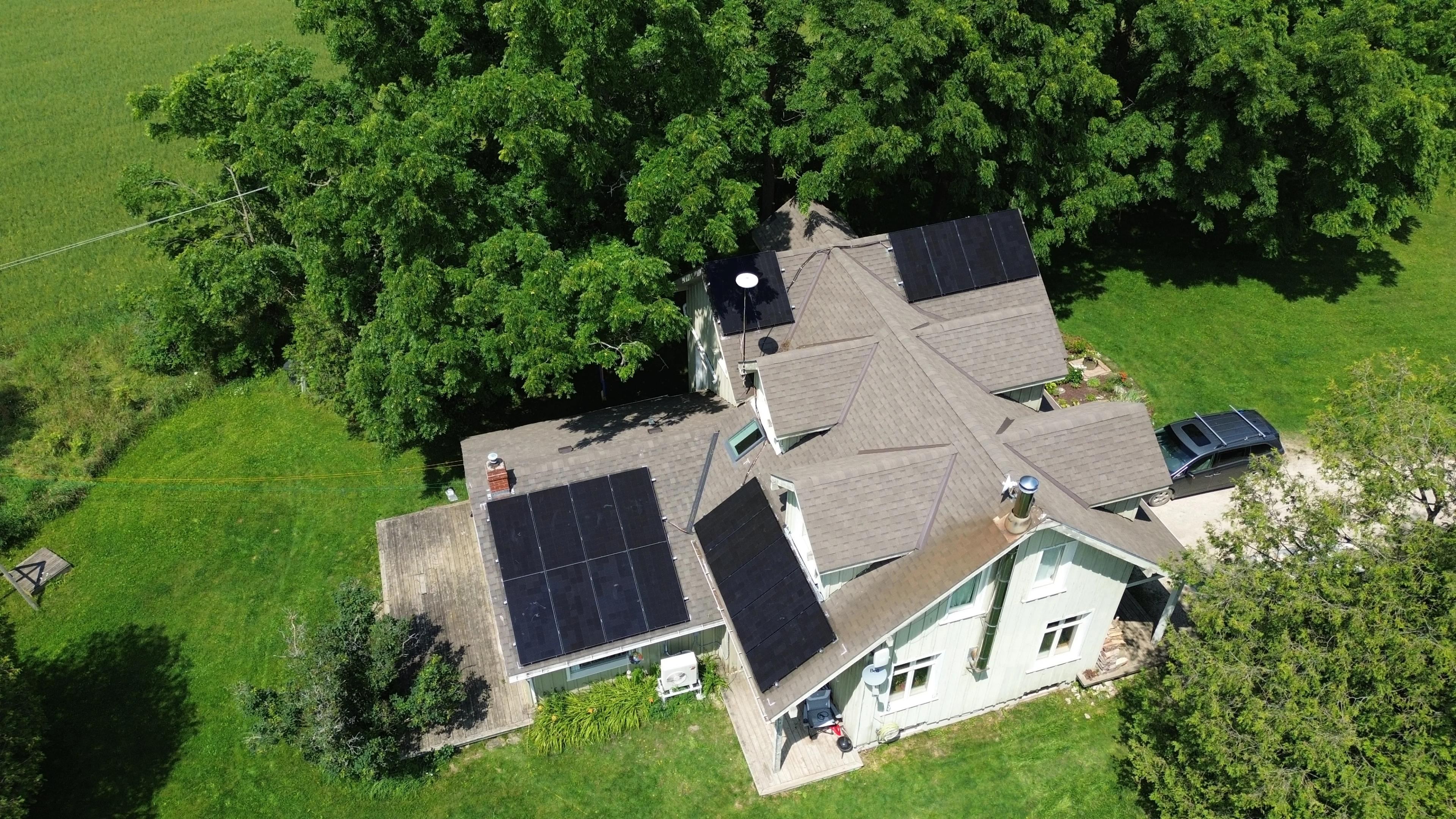
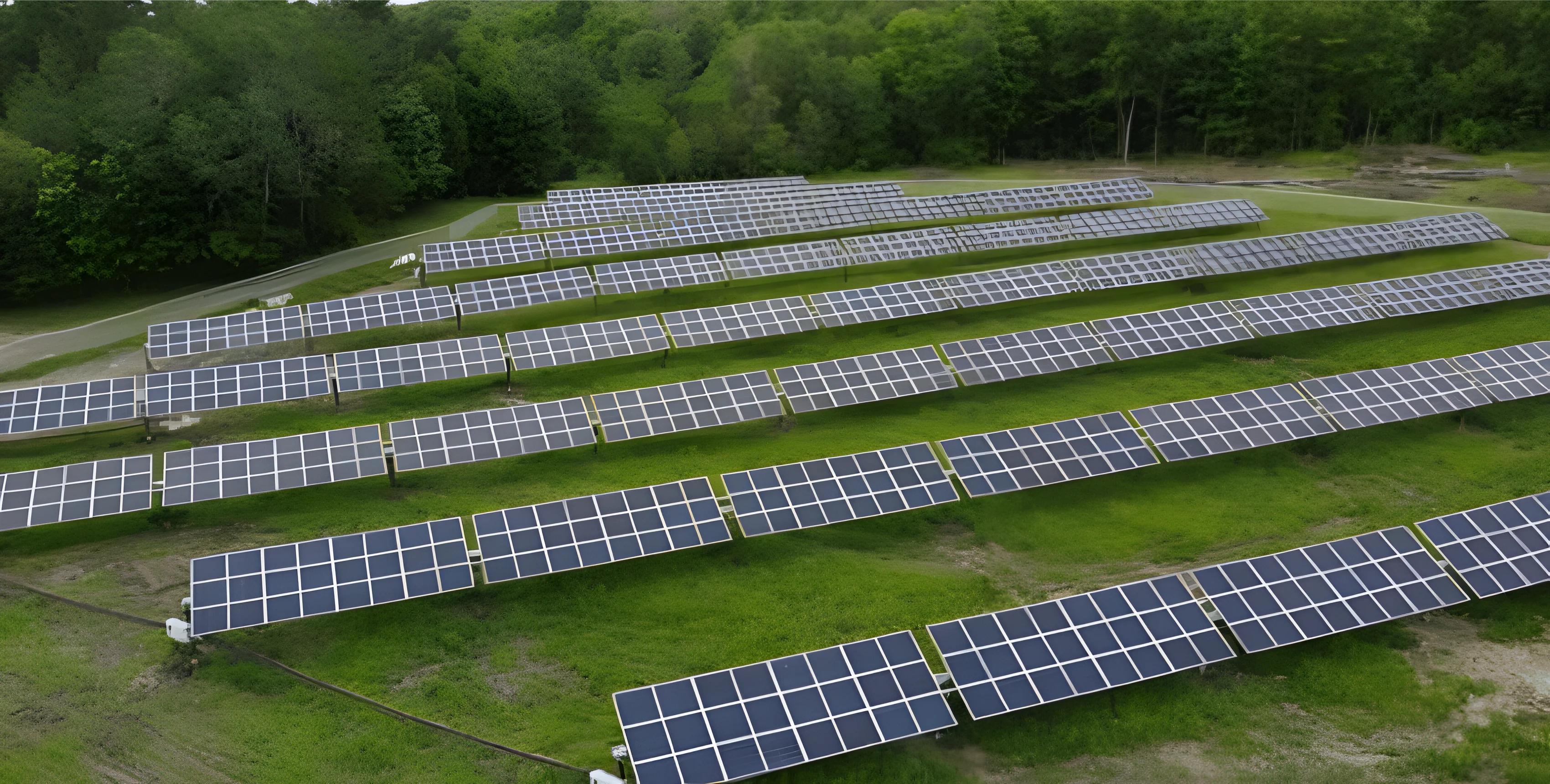
Polaron offers a range of commercial Solar PV system configurations including rooftop solar, ground-mounted solar, solar carports, and hybrid solar PV systems. Each system is designed around the property's available space, electrical infrastructure, energy consumption, and project requirements.

For commercial solar installations, Polaron uses high-efficiency monocrystalline bifacial solar panels designed for long-term performance and durability. Bifacial technology allows the panels to capture additional reflected sunlight from the rear side, helping increase overall energy production. These modules also provide strong performance across varying temperatures and weather conditions, durable construction for commercial applications, and are backed by a 30-year performance warranty.

We offer BESS solutions for a wide range of projects such as small commercial applications using modular 13.5 kWh Pion Power batteries, which can be combined into systems up to approximately 94.5 kWh of storage capacity. We also provide larger commercial and industrial cabinet systems for higher-demand use, such as the air-cooled and liquid-cooled BESS cabinets, which include the 261 kWh liquid-cooled systems rated at 125 kW per cabinet that can be combined for larger energy storage requirements within commercial, industrial & grid-scale applications.

We offer a range of EV charging solutions for different applications, from portable chargers, commercial Level 2 and DC fast chargers. Our Level 2 chargers are available in 7.6 kW, 11.5 kW, and 19.2 kW configurations, making them suitable for workplaces, fleets, retail, and destination charging. For higher-demand applications, our DC fast chargers range from 120 kW and 150 kW to 180 kW, 240 kW, and up to 320 kW per charger, providing scalable options for fleets and public or high-traffic charging sites.

Polaron uses both microinverters and string inverters, depending on the size and design of the solar system. For smaller systems below 125 kW, we typically use microinverters, which provide module-level power conversion and monitoring while limiting the impact of an individual equipment failure. For larger commercial systems, we typically use string inverters, which provide a more practical and scalable architecture with fewer individual components and connection points to manage across a large solar array. Both technologies offer advantages, and Polaron selects the inverter configuration based on system size, reliability, serviceability, and overall project requirements.

Polaron offers solar racking solutions for pitched roofs, flat roofs, and ground-mounted systems. Pitched-roof systems use securely attached rails and mounting hardware designed for the specific roof type, while flat-roof systems typically use ballasted or low-penetration racking to support and position the panels. Where sufficient land is available, ground-mounted racking can also be used, with the system secured through engineered piles or foundations. The appropriate racking solution is selected based on the property, structural requirements, system size, and site conditions.

Yes, battery storage can be paired with commercial solar to store excess solar generation and use it later when your building needs it most. This can improve self-consumption, reduce peak demand charges, support backup power, and strengthen overall energy resilience. Solar-plus-storage is often a strong fit for facilities that want better control over both energy costs and operational continuity.

Yes. EV charging can be installed independently or integrated with solar and battery energy storage as part of a complete energy solution. Solar can help generate electricity on-site, while a BESS can help manage charging loads and reduce charging-related peak demand. Integrating these technologies can provide businesses with greater control over how energy is generated, stored, and used.

It will depend on whether you have a storage system installed with your solar panels. The standard installation is grid-tied, meaning it is designed to shut off during grid outages. This is to prevent electricity from feeding back into the grid and injuring utility workers who are fixing the power lines. However, if your commercial solar installation is off-grid or installed with a battery storage system, it can continue to operate independently of the grid during outages. This setup provides you with backup power that can be used to keep critical loads on until the grid power is restored. We'll work with you to find the perfect option for your energy needs.

Air-cooled commercial battery systems use airflow to manage battery temperature, while liquid-cooled systems use fluid-based thermal control for tighter temperature regulation. In general, air-cooled systems can be simpler and effective for many outdoor commercial applications, while liquid-cooled systems are often chosen for higher-performance use cases that require more advanced thermal management. The right choice depends on project size, operating conditions, performance goals, and site constraints.

Yes. A BESS can operate as a standalone system without solar panels, charging directly from the electrical grid and discharging when needed. Standalone BESS installations can be used for applications such as peak demand shaving, time-of-use optimization, and critical load backup, depending on the facility's electrical configuration and operational requirements.

Yes. Commercial BESS are designed with multiple layers of protection to support safe operation. Pion Power systems use the safest lithium iron phosphate (LFP) battery chemistry along with integrated battery management and protection systems that monitor conditions such as voltage, current, temperature, and state of charge. The Pion Power 13.5 kWh battery modules feature an IP65-rated metal enclosure, built-in fire suppression, and protection against over-voltage, over-current, over-temperature, under-voltage, and short circuits. For larger commercial applications, the Pion Power 261 kWh liquid-cooled BESS features heat, smoke, and CO detection, pack- and cabinet-level fire suppression, alarms, and electrical fault protection. It is also listed with safety certifications including UL 1973, UL 9540, and UL 9540A.

Finance

Yes, we provide in-house financing options ie. Sunline at industry-leading competitive rates for eligible clients. Our financing terms are flexible with full loan buyout capability. Financing terms & Interest rates will vary depending on province & program. Additionally, we offer personalized payment plans tailored to your specific needs, ensuring affordability and convenience throughout the project.

Yes, Polaron offers the BESSline Financing Program, and the Battery can be financed within a Solar + BESS package solution. It can help reduce upfront capital pressure and make it easier to move forward with energy storage while still capturing savings, resilience, and operational benefits. The best financing approach depends on your energy goals, project size, and expected return. Reach out to the Polaron team to learn more.

For the vast majority of Canadian businesses, utilizing an exclusive capital financing framework like Polaron's Sunline program is significantly more profitable than standard solar leasing for businesses or Power Purchase Agreements (PPAs). With a lease, the third-party provider keeps the lucrative 20% federal tax credit, carbon offsets, and accelerated write-offs. By choosing our low-interest financing model, your company can retain full asset ownership, allowing you to pocket all government rebates, write off the depreciation, and permanently build equity directly into your commercial property.

Research indicates that commercial properties with solar installations often have higher property values and may sell at a premium compared to those without solar. However, the degree of value increase depends on factors like location, system size, and the local real estate market. Many property owners note that solar panels make commercial properties more appealing to buyers, lower operating costs, require little maintenance, and offer energy independence from the grid, all of which can enhance property value.

Eligible taxable Canadian entities, corporations, partnerships & trusts are able to claim the federal Clean Technology Investment Tax Credit (CT ITC) for qualifying clean technology investments, including solar photovoltaic and energy storage equipment.

Eligibility depends on factors such as business ownership structure & labor requirements.

Polaron can help structure project information around applicable incentive requirements; however, tax eligibility is ultimately determined under federal legislation, and we encourage businesses to confirm their individual tax circumstance with their accountant or tax advisor.

Canadian corporations can deduct the cost of an industrial solar installation using the Capital Cost Allowance (CCA) under Class 43.1 and 43.2. This framework allows for accelerated depreciation write-offs, enabling businesses to deduct up to 100% of their eligible clean energy equipment costs in the very first year of operation. Tax treatment depends on your business and project circumstances. We recommend speaking with your accountant or tax advisor for advice specific to your situation.

Operation and Maintenance

Commercial solar systems typically require very little upkeep as there are no moving parts. Regular maintenance may involve cleaning the panels to clear away any accumulated dirt and debris. Our team will monitor your solar panels 24/7 via WiFi to ensure they're operating at optimal performance. We will also perform a yearly inspection to ensure all physical connections are aligned properly.

From our clients' position, a commercial BESS is generally a low-maintenance system. Day-to-day requirements are minimal and primarily involve keeping the area around the equipment clear of debris and obstructions. Polaron manages routine inspections, system monitoring, preventative maintenance, and periodic servicing to help ensure the system continues operating as intended. We also provide on-site training for basic system operation and start-up procedures, while clients can have access to the monitoring platform for visibility into battery status, system performance, and operating conditions.

Yes, Polaron has a dedicated after-service & asset management team for installed projects. Our Solar PV systems' inverters are installed with a comprehensive monitoring system to track real-time and historical visibility into solar production, inverter performance, system status, and potential faults, allowing both the customer and Polaron to track performance and quickly identify any issues that may arise.

Polaron provides a standard 2-year labour and workmanship warranty, covering installation-related repairs during the warranty period. Beyond this, our monitoring systems and asset management team continuously track system performance to help identify potential equipment issues or faults as they arise. When an issue is detected, our team can review and diagnose the problem, coordinate applicable manufacturer warranty claims, process the required service ticket, and dispatch a technician or service crew based on the severity of the issue. This proactive approach helps minimize downtime and maintain maximum system uptime throughout the life of the solar installation.

Key performance indicators for a commercial solar system include energy production, actual versus expected production, system availability and uptime, performance ratio, energy savings, and financial return on investment (ROI). These metrics help confirm that the system is operating as designed and delivering its expected energy and financial performance. Polaron's monitoring and asset management systems continuously track system performance, helping identify production issues or equipment faults and maintain long-term system uptime.

Yes, we provide support for regulatory compliance, permitting, interconnection agreements, and reporting requirements so you can rest assured your commercial solar project meets all legal and industry standards.

Planning & Installation

Commercial solar installation is generally completed in two major construction milestones: DC installation and AC installation. The DC installation focuses on the solar array itself and typically includes installing the racking system, mounting the solar panels, completing DC wiring and cable management, and preparing the system for connection to the electrical equipment. The AC installation connects the solar system to the building's electrical infrastructure and typically includes inverter installation, AC electrical equipment, disconnects, metering and monitoring equipment, and the final connection to the facility's electrical service. Once construction is complete, the system goes through required inspections, testing, commissioning, and utility approvals before being placed into operation.

Typically, you won't have to shut down your business during the installation. We'll work with you to plan the installation time around your business hours during off-hours or weekends if necessary. There may be brief periods when power needs to be turned off to connect the solar system to your electrical system. These interruptions will be planned in advance.

No. A professional commercial solar installer coordinates the entire construction schedule to prevent any operational downtime. The vast majority of the electrical engineering, inverter mounting, and structural panel racking takes place externally on your roof or grounds. Any required utility tie-ins or main electrical panel connections are strategically scheduled during your facility's non-operational hours, weekend shifts, or planned maintenance windows to ensure zero disruption to your daily workflows.

Yes, commercial solar installations must follow local zoning rules, provincial building codes, and federal permitting guidelines. Polaron is committed to managing all necessary permits on your behalf, ensuring a smooth and prompt process.

Billing/ Cost

Yes. A complete commercial solar project includes much more than solar panels, including engineering and design, racking, inverters, electrical equipment, permitting, utility interconnection, installation, commissioning, and project management. With Polaron's turnkey EPC solution, these requirements are incorporated into the overall project scope rather than leaving the business to coordinate multiple contractors.

Not necessarily. Depending on the project and available programs, businesses have access to financing or alternative ownership structures that reduce or eliminate the need for a large upfront capital investment. Polaron's In-House Financing allows our customers to limit the upfront cost and, in the majority of instances be cash flow positive from Year 1. This can allow the electricity savings generated by the system to increase the accumulated cash flow of the project year by year.

Solar can significantly reduce your electricity bill, but it does not necessarily eliminate it entirely. Solar primarily offsets the variable electricity charges associated with the energy your business consumes, while fixed utility charges, connection fees, taxes, or other applicable charges may remain. The exact impact depends on your utility rate structure and how your solar system is configured.

When utility electricity rates increase, the value of electricity generated by your solar system can also increase because your business is avoiding purchasing more expensive electricity from the grid. Solar therefore provides a degree of long-term protection against rising electricity costs and can make a portion of your future energy expenses more predictable.

Generally, under net metering, you are earning electricity bill credits rather than selling power to the utility for cash. When your solar system produces more electricity than your facility is using, the excess can be exported to the grid and credited according to your utility's net metering rules. Those credits can then offset eligible electricity charges on future bills.

Solar can reduce your real-time peak demand during daytime & peak sun hours. However, solar alone may not eliminate demand charges that can occur during nighttime, or a demand spike that exceeds the solar energy output at a given time of day. For example, if a demand spike occurs during nighttime, a BESS will utilize its stored energy to shave the peak and protect you from a demand charge. It is recommended to pair Solar with a BESS if you are on a rate class with demand charges. Solar supports demand savings, and the BESS ensures it.

Technical Terms

A unit of energy that measures how much electricity is consumed, generated, or stored over time. For example, using 10 kW of power continuously for one hour equals 10 kWh of energy. Electricity consumption and battery capacity are commonly measured in kWh.

A unit of power that measures how much electricity is being consumed, generated, or delivered at a specific moment. In simple terms, kW represents how much power you need, while kWh represents how much energy you use over time.

A portion of a commercial electricity bill based on the highest level of power (kW) your facility draws from the grid during a billing period, rather than the total amount of electricity consumed. Managing peak demand can help reduce these charges.

A turnkey project delivery model where one provider manages the engineering and design, equipment procurement, construction, installation, and commissioning of the project. Polaron provides full EPC services for commercial solar, BESS, and EV charging projects.

A solar mounting method commonly used on flat roofs that uses weighted blocks to secure the solar racking in place, reducing or eliminating the need for roof penetrations. The required ballast is determined based on structural and engineering requirements.

A tax incentive that allows eligible businesses to claim a percentage of qualifying clean energy project costs as a refundable tax credit. For Solar, BESS & EV Projects, the Clean Technology ITC is applicable depending on the technology, ownership structure, and project eligibility.

An electricity rate structure where the price of electricity changes depending on the time of day, typically between off-peak, mid-peak, and on-peak periods. Solar and BESS can help businesses reduce the amount of electricity purchased during higher-cost periods.

A high-powered EV charging system that supplies DC electricity directly to an electric vehicle's battery, allowing significantly faster charging than Level 2 AC chargers. DCFC is commonly used for fleets, public charging, highway locations, and other high-demand applications.