Commercial Solar Panel Installation
Protect Businesses From Rising Electricity Rates and Boost ROI
Cut operational overhead, increase net profitability, and leverage active financial incentives to lock in permanent electricity savings. Polaron delivers optimized, turnkey commercial solar power systems engineered to give your company complete energy control.
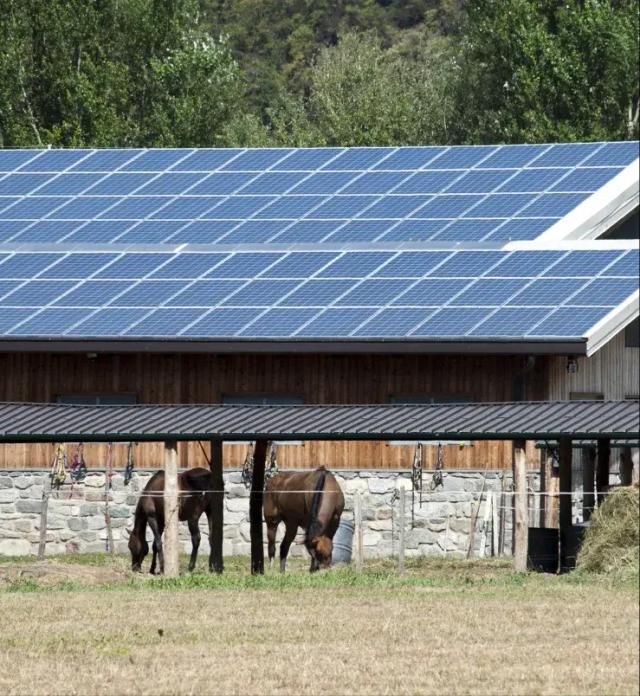
Commercial Solar Incentives and Tax Credits
Reduce Your Upfront Cost With Available Incentives
Federal tax credits, provincial programs, and utility incentives may significantly reduce the upfront cost of a commercial solar installation. Funding, eligibility rules, and application windows can change quickly. Apply early to strengthen your solar ROI.
Active
Canada-Wide
Clean Technology Investment Tax Credit (ITC)
Up to 30%
Solar PV • BESS • EV Charging Stations
Learn More
Active
British Columbia
BC Hydro Load Displacement Incentives
Up to $5 Million
Behind-the-meter Solar Setup for Large-Scale Businesses
Learn More
Closed
New Brunswick
SaveEnergyNB Commercial Building Retrofit Program
Up to $250,000
Solar PV
Learn More
*Note: Eligible funding amounts vary by facility location, electrical rate classification, and program funding caps. Contact the Polaron compliance team to verify your exact entitlement.
Commercial Solar ROI and Payback Period
Understanding your energy bills is the first step to lowering your energy costs. Turning off the lights, using less air conditioning, or using furnaces are not effective ways to lower energy bills, but solar is.
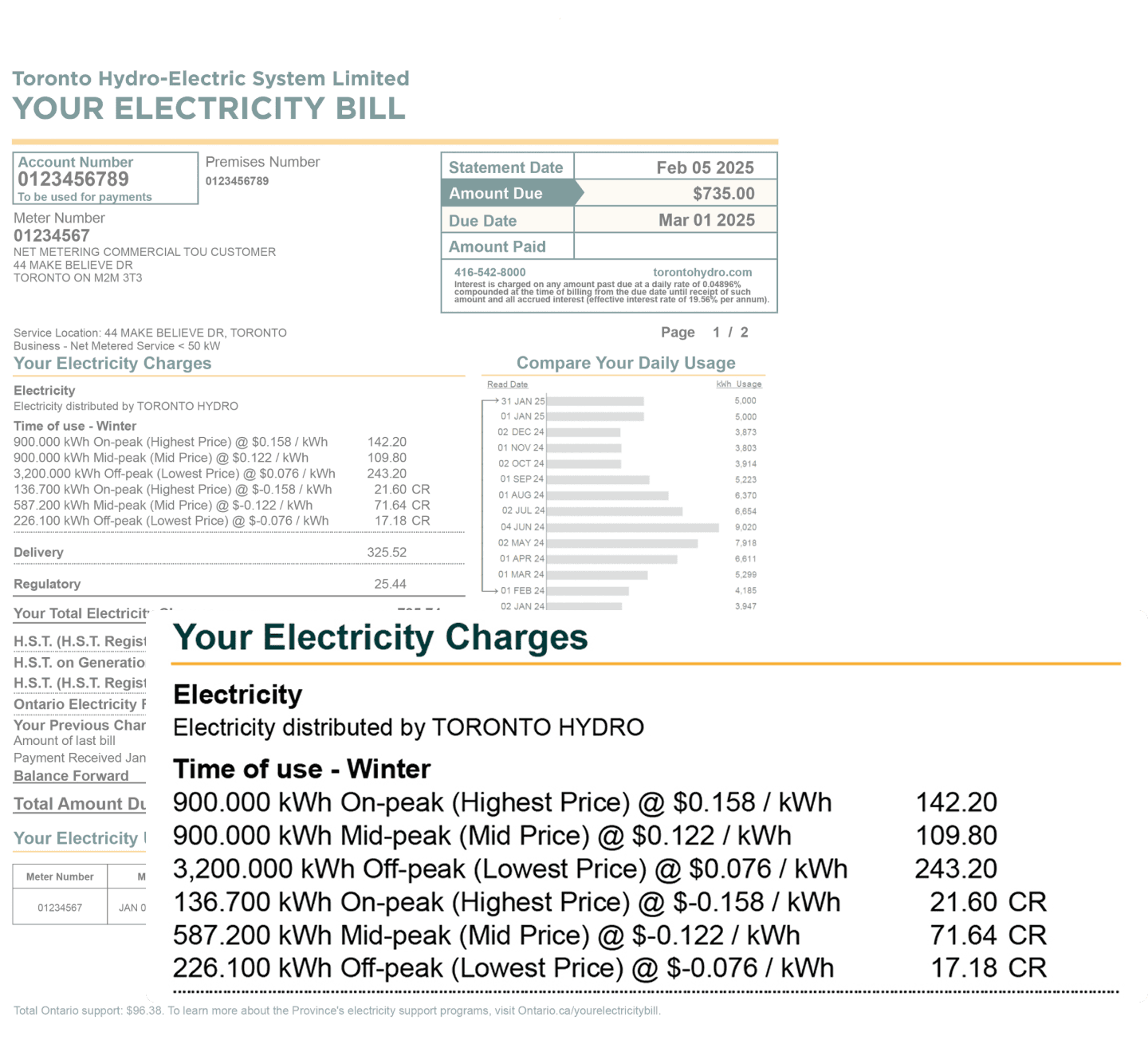
Your Estimated System Size
Range: 35kW - 51kW
Potential Savings
5 Years: $21,700
10 Years: $38,500
25 Years: $69,400
Custom Solar Engineering for Maximum Energy Production
Types of Commercial Solar Panel
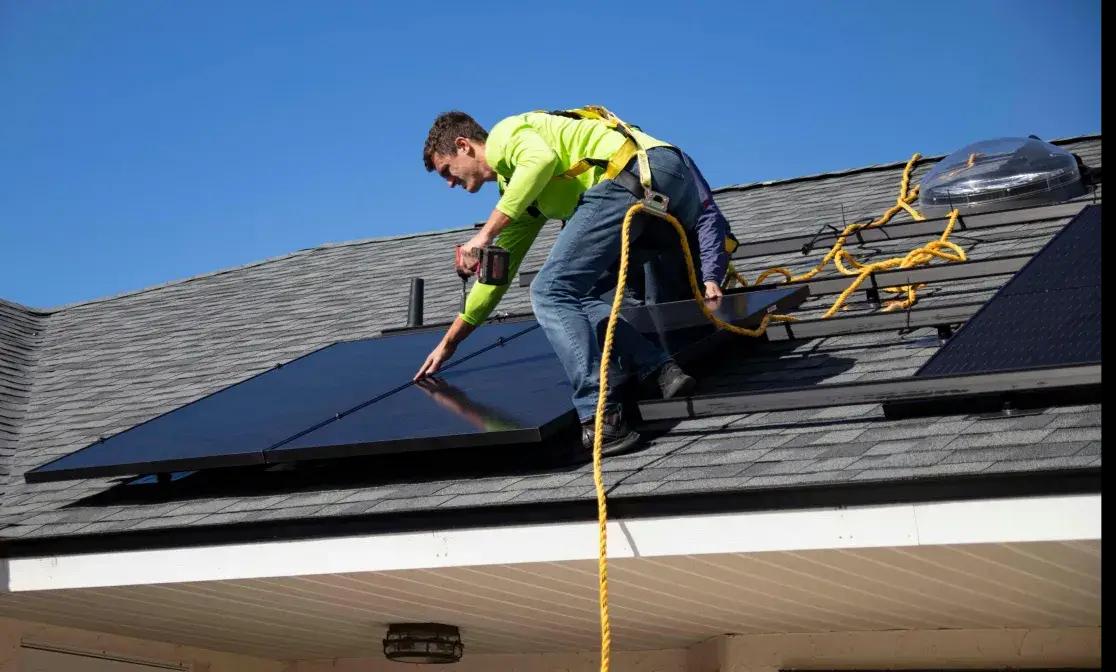
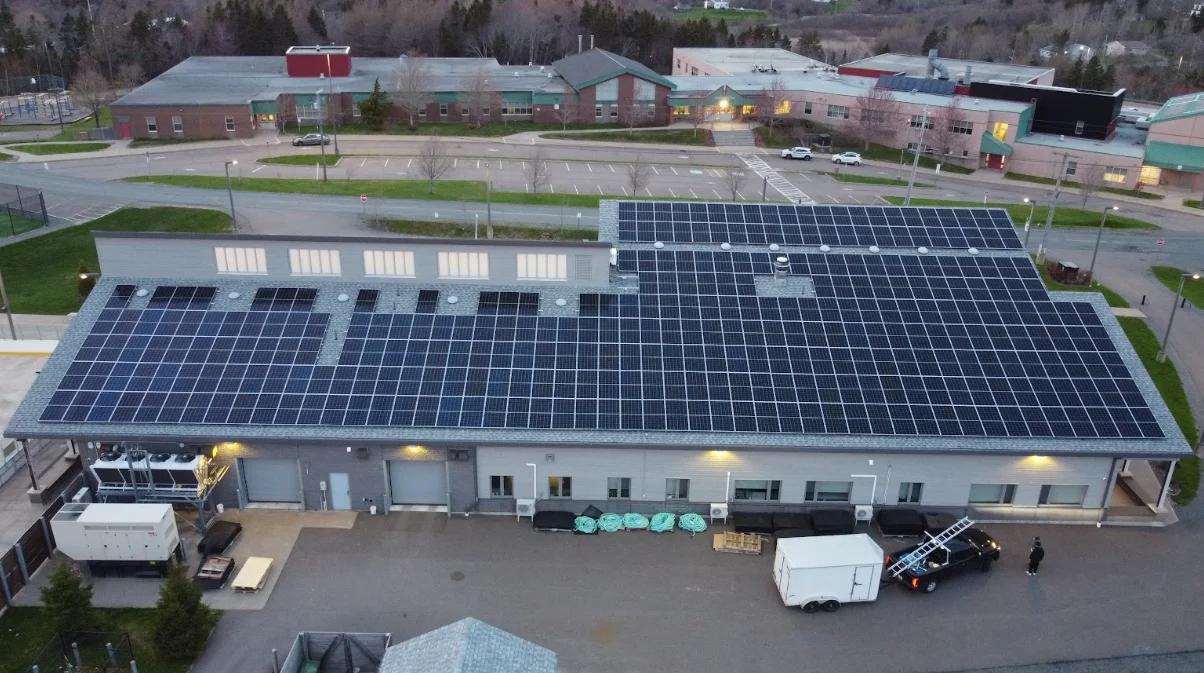
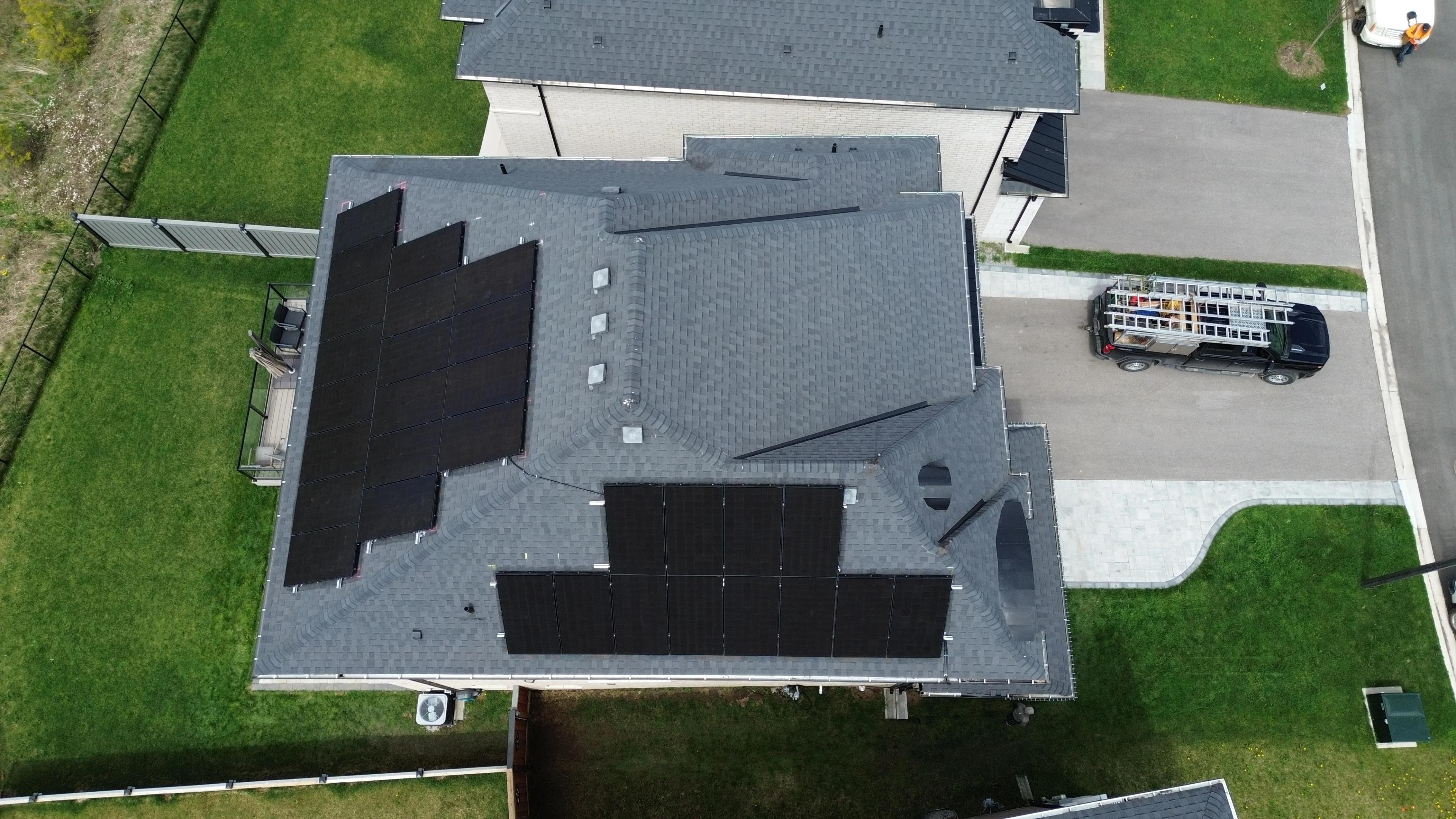
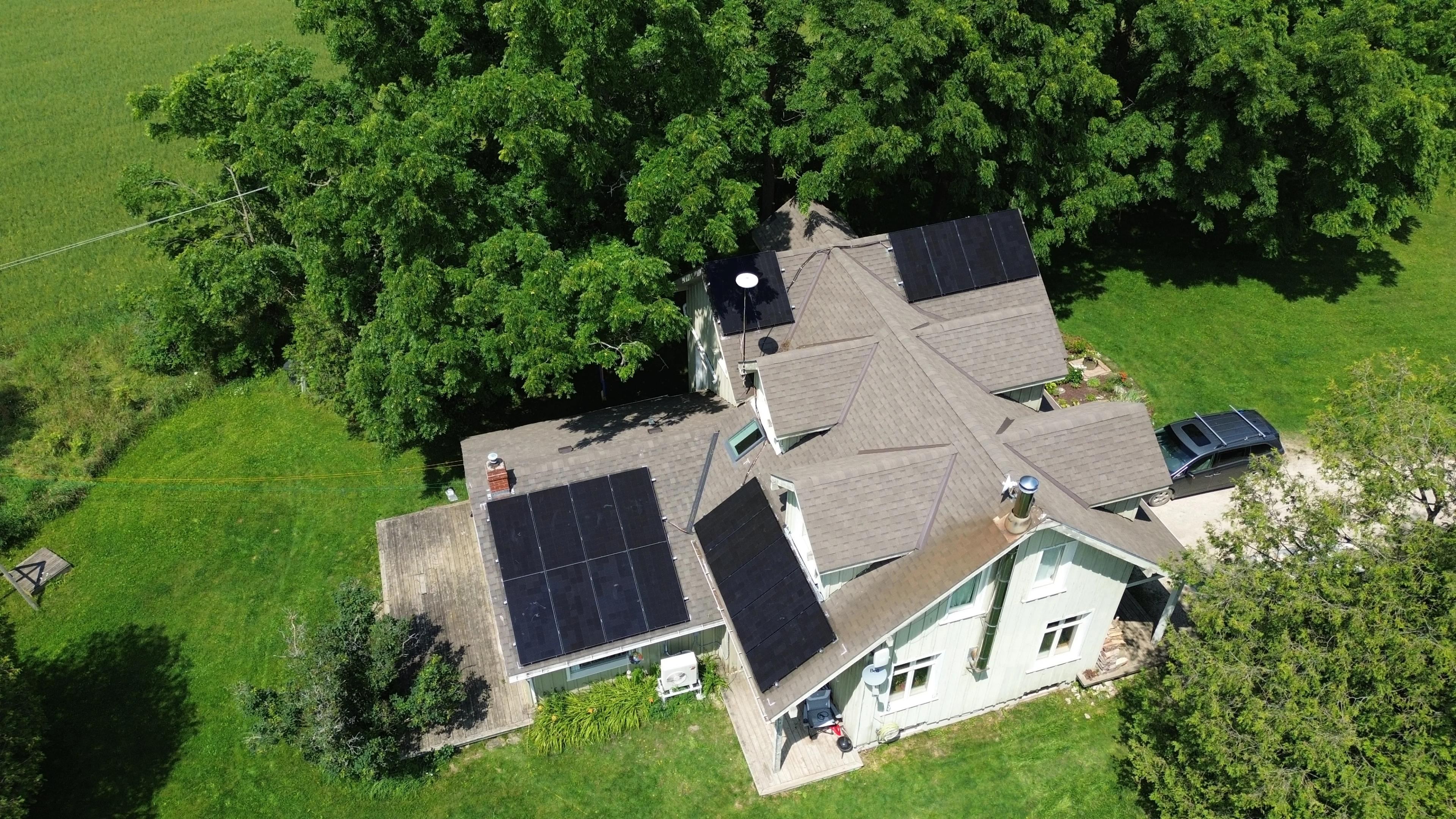
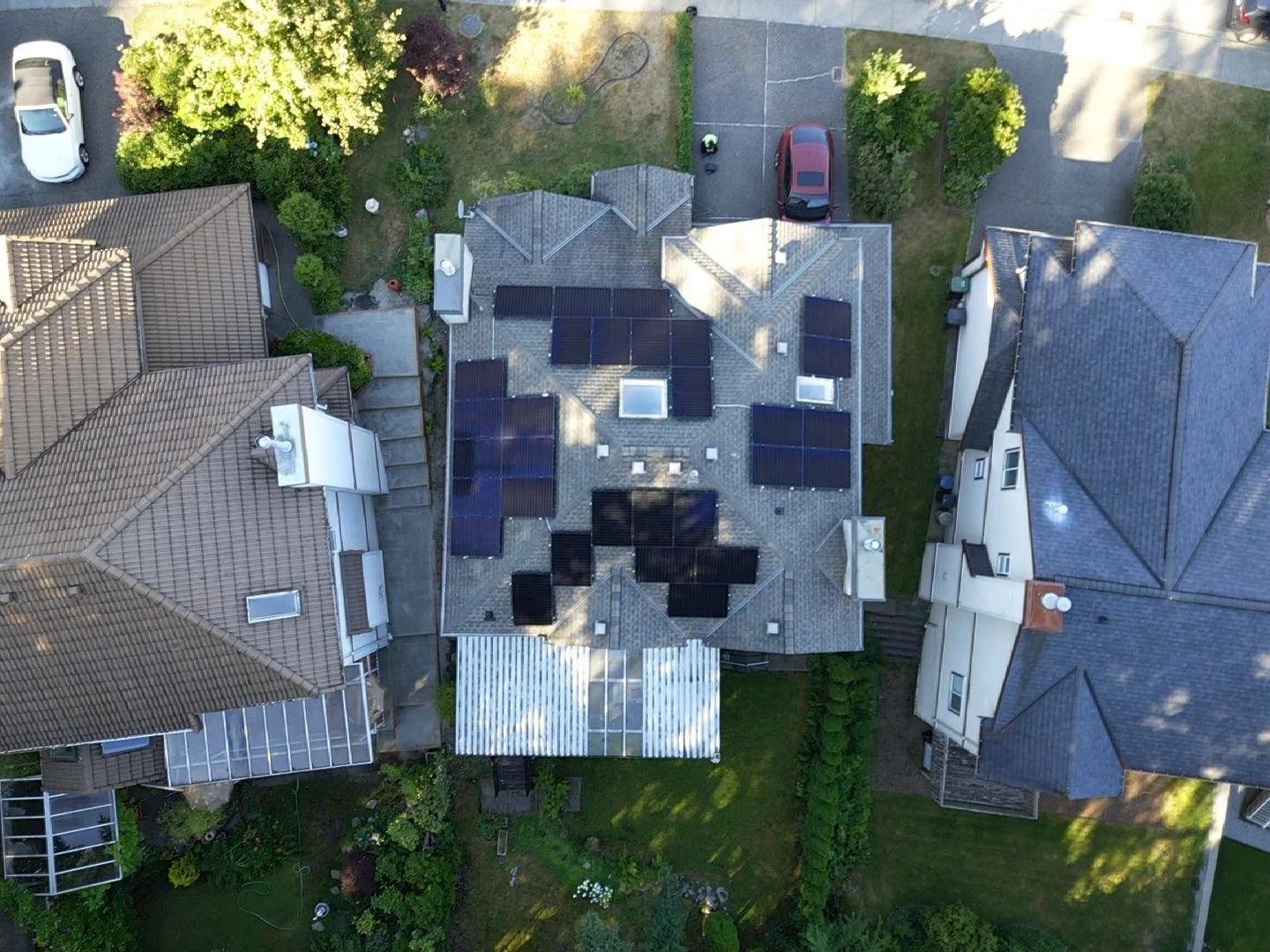
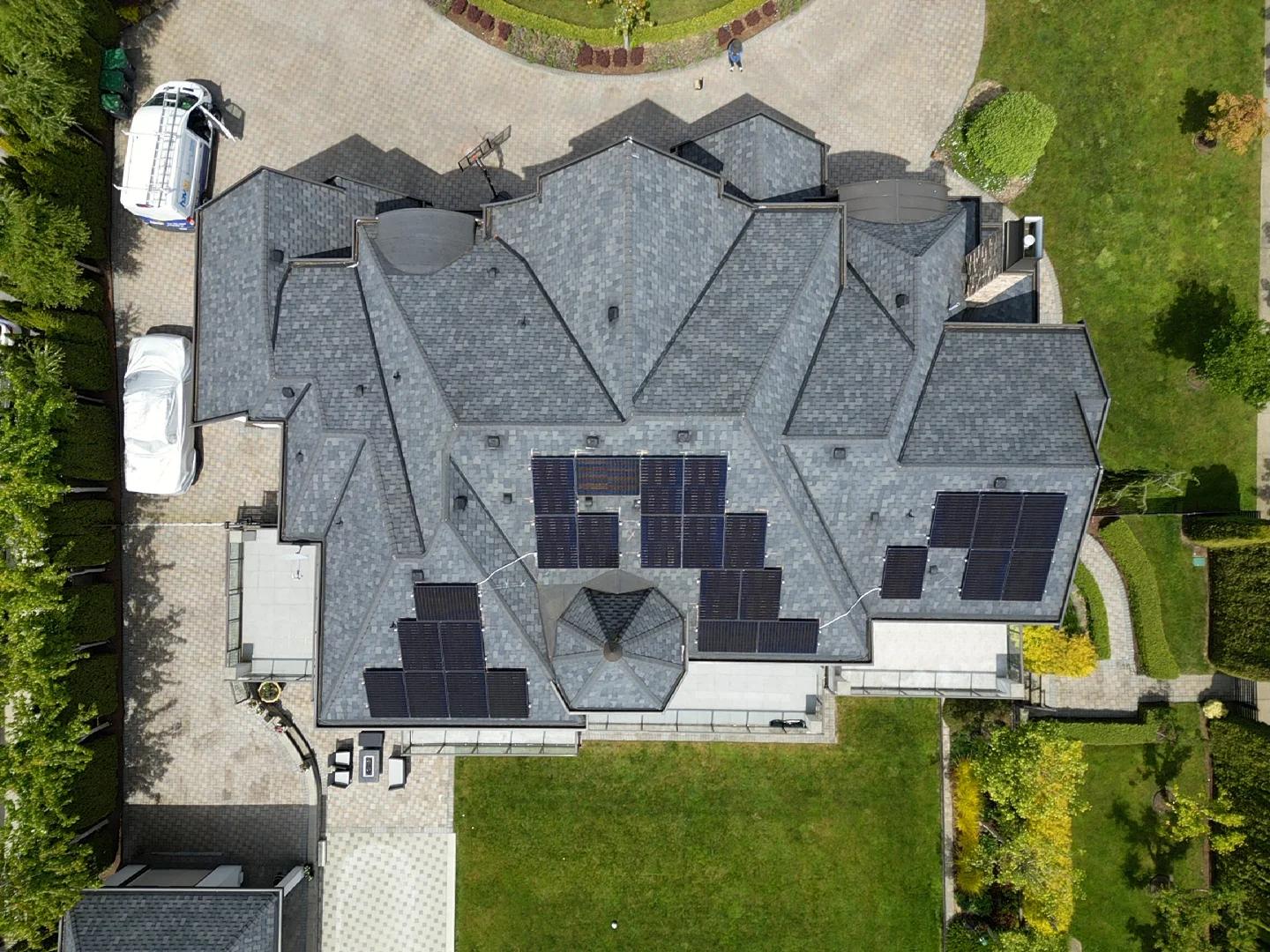
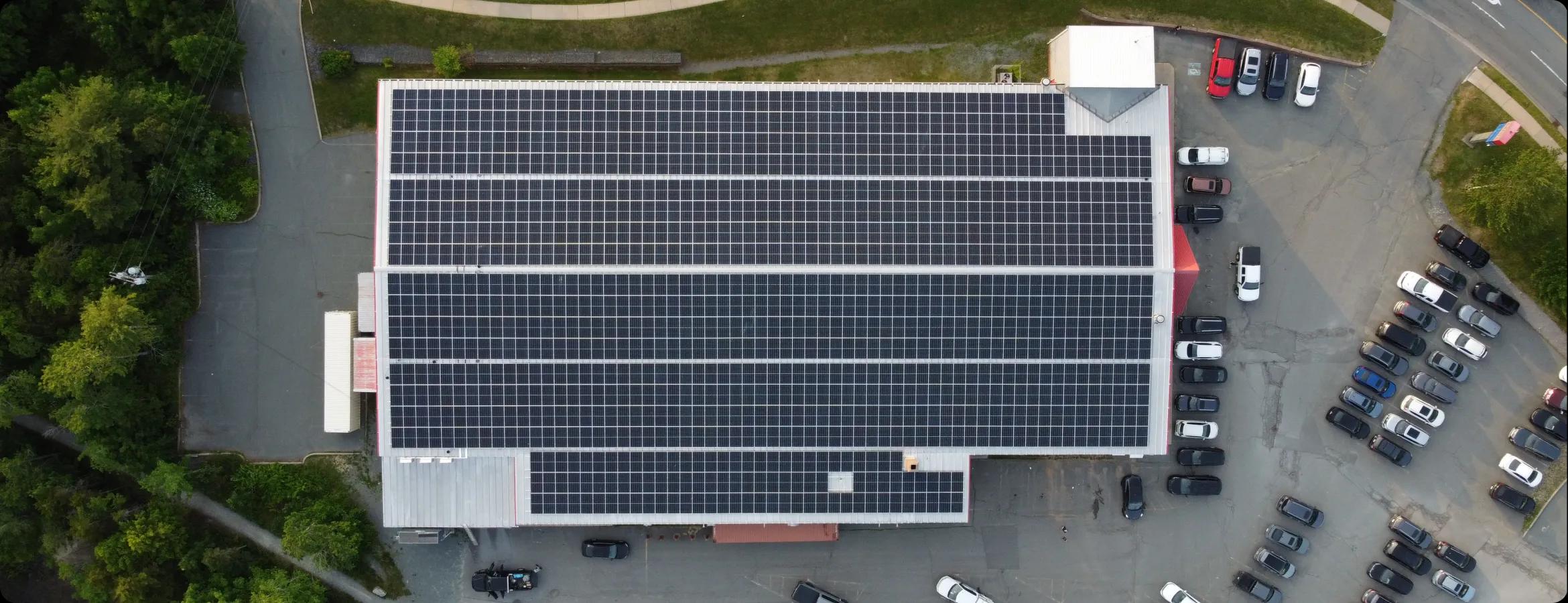
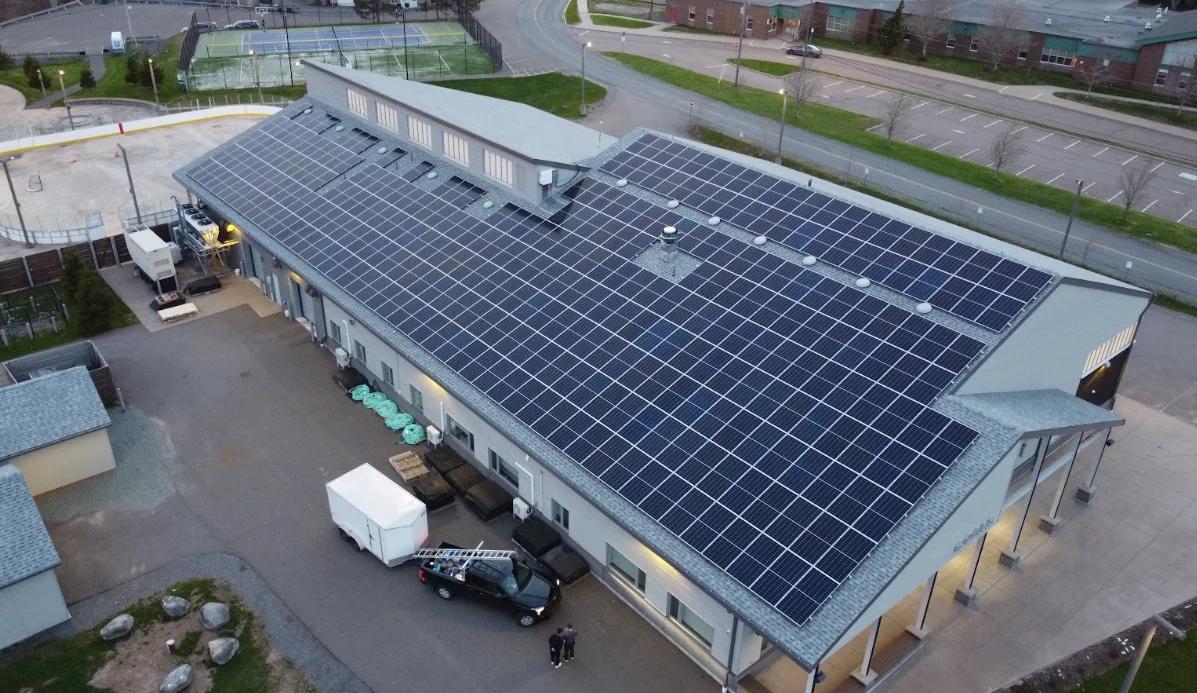
Pitched-Roof Solar
Ideal for:
Commercial buildings
Agricultural buildings
Community facilities
Small manufacturing properties
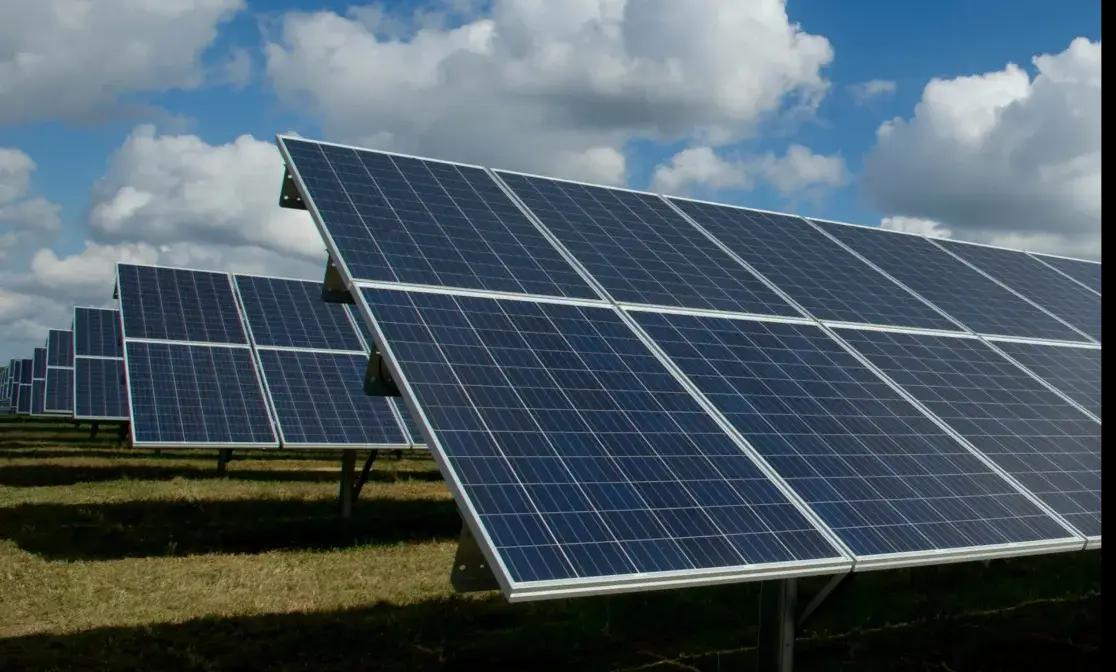
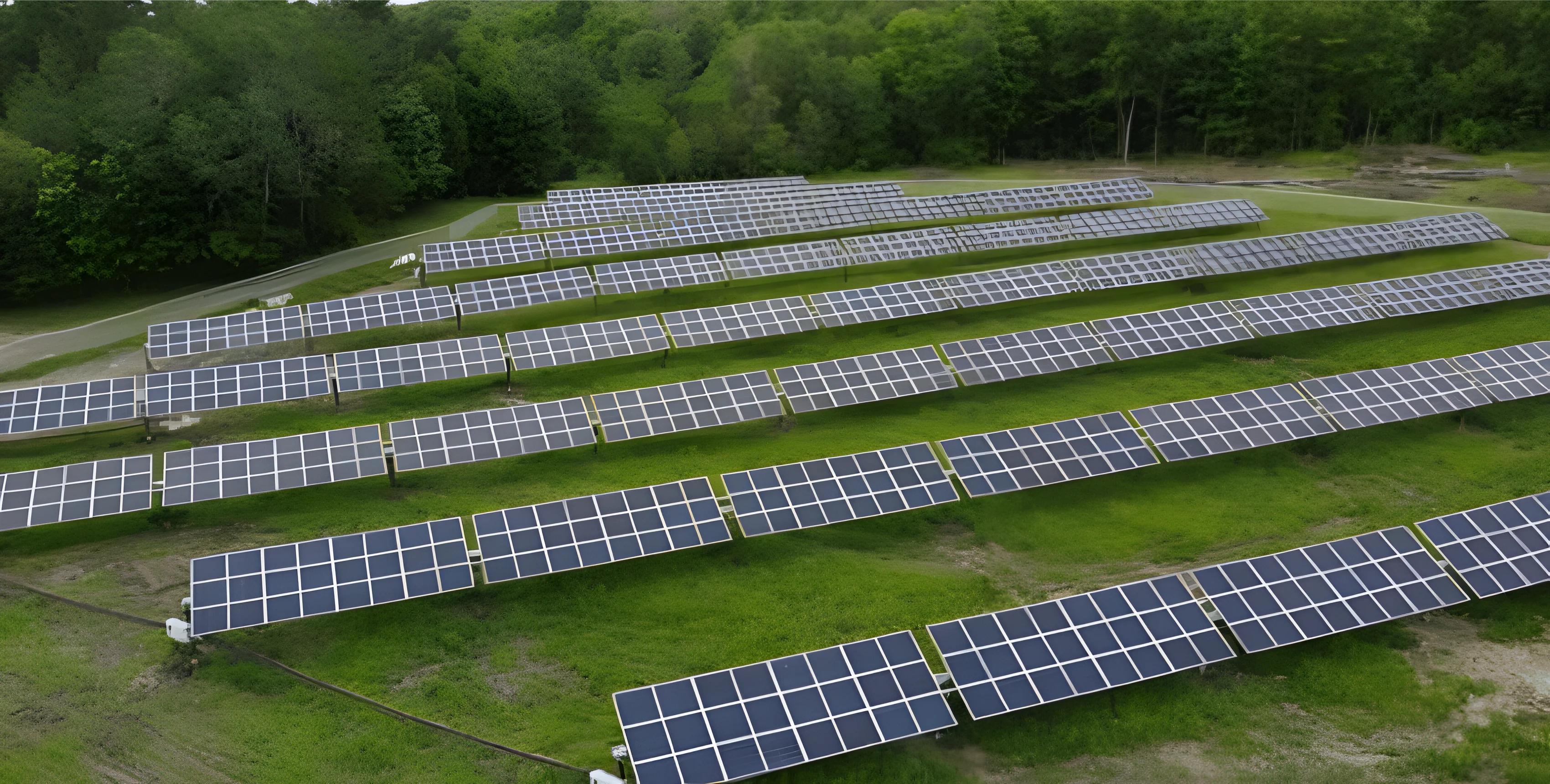
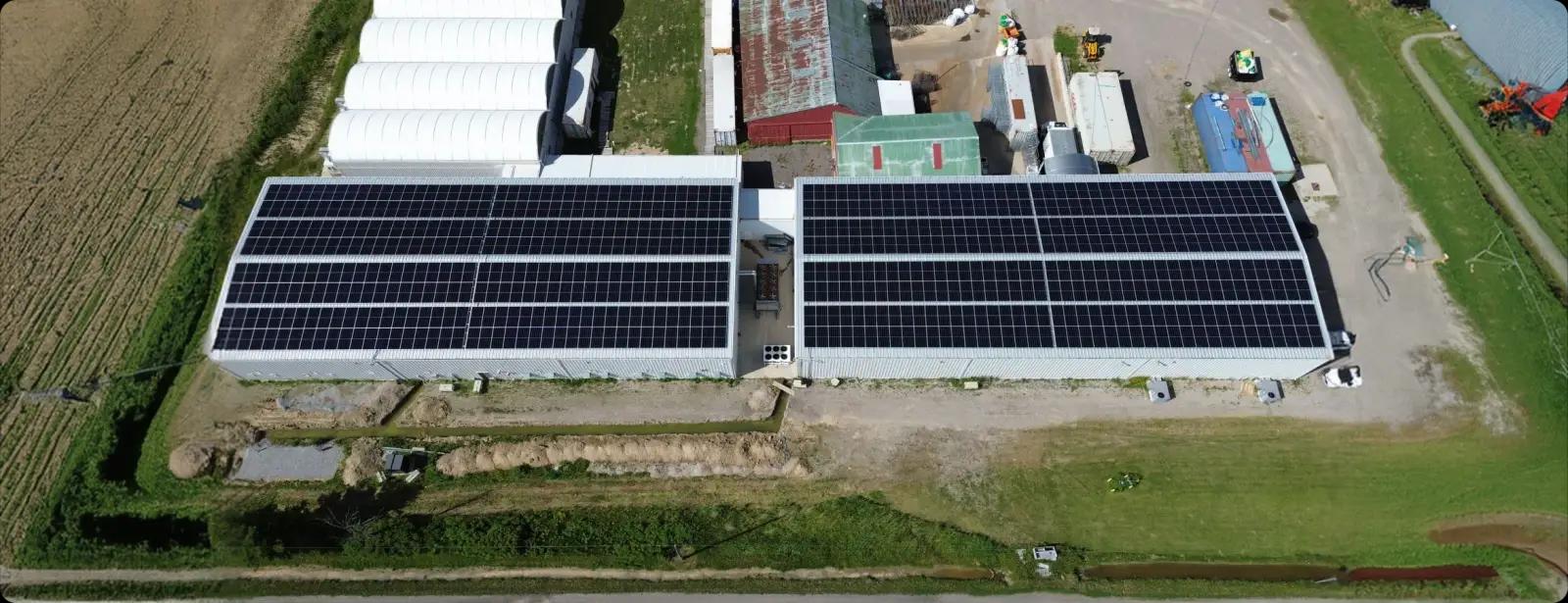
Ground-Mounted Solar
Ideal for:
Farms
Industrial properties
Municipal land
Large commercial facilities
Properties with limited roof space
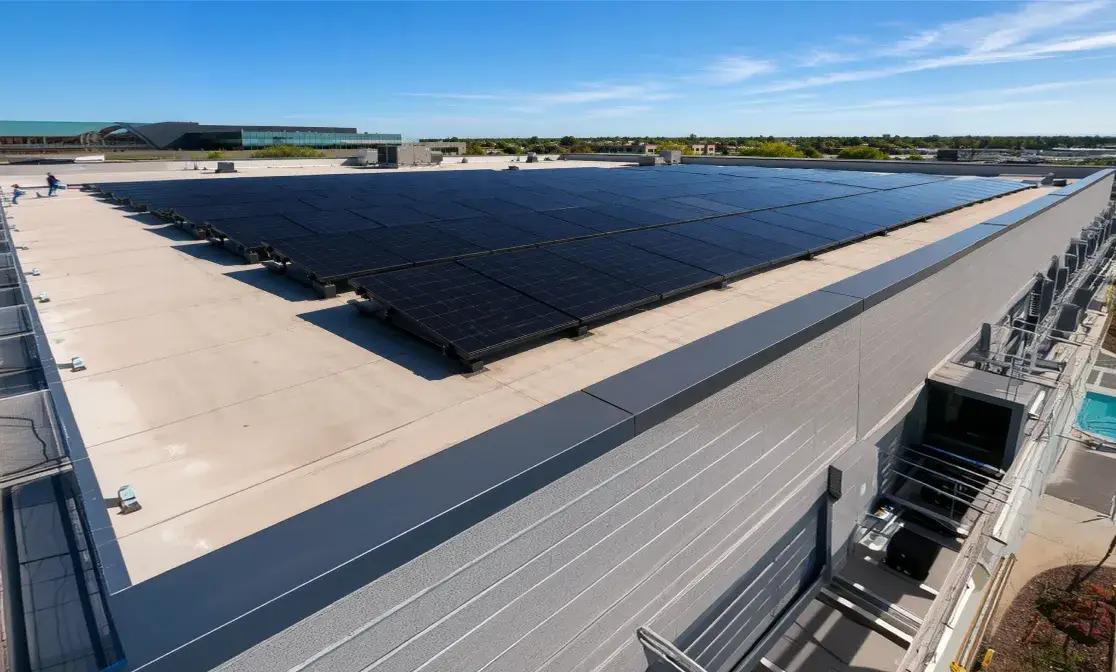
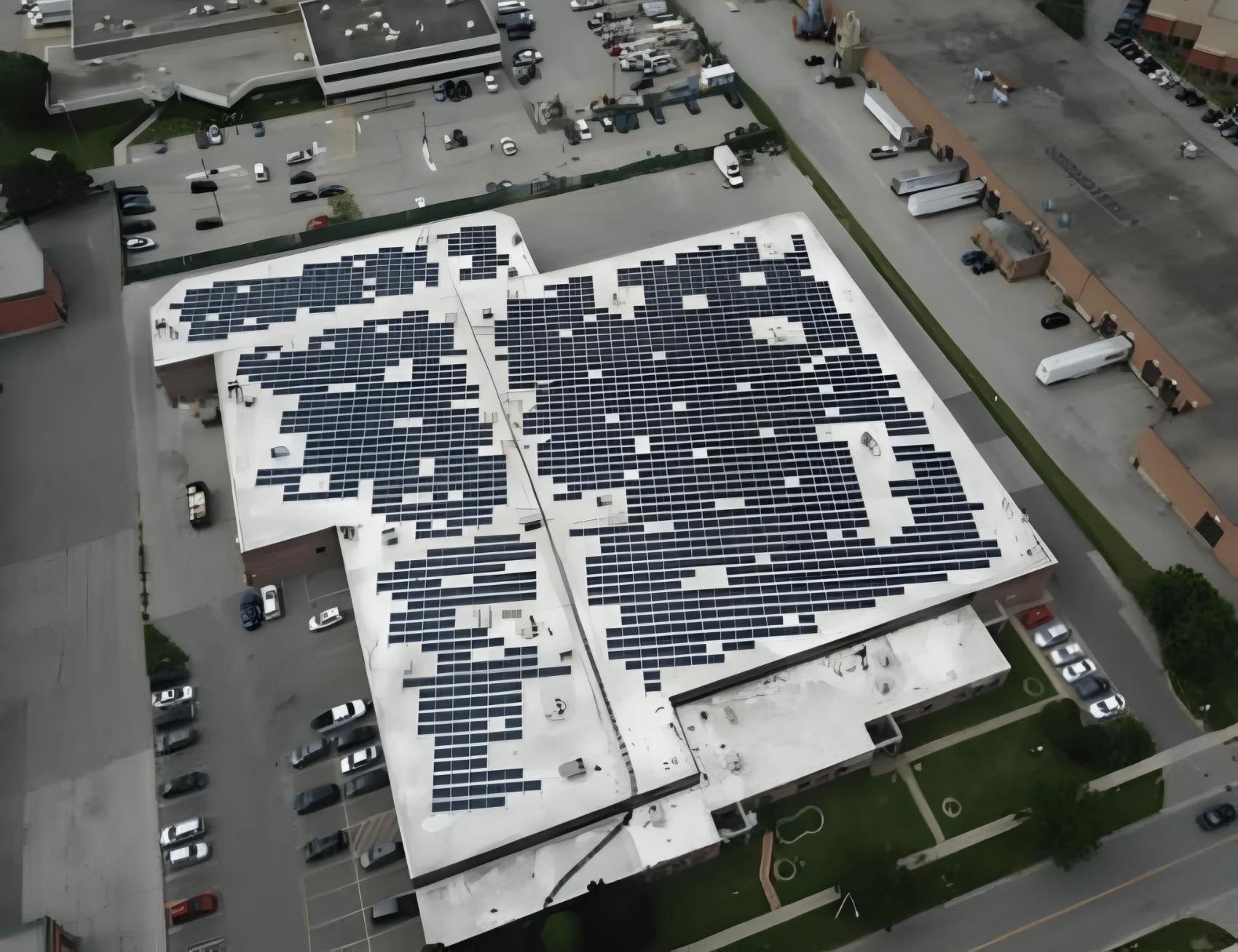
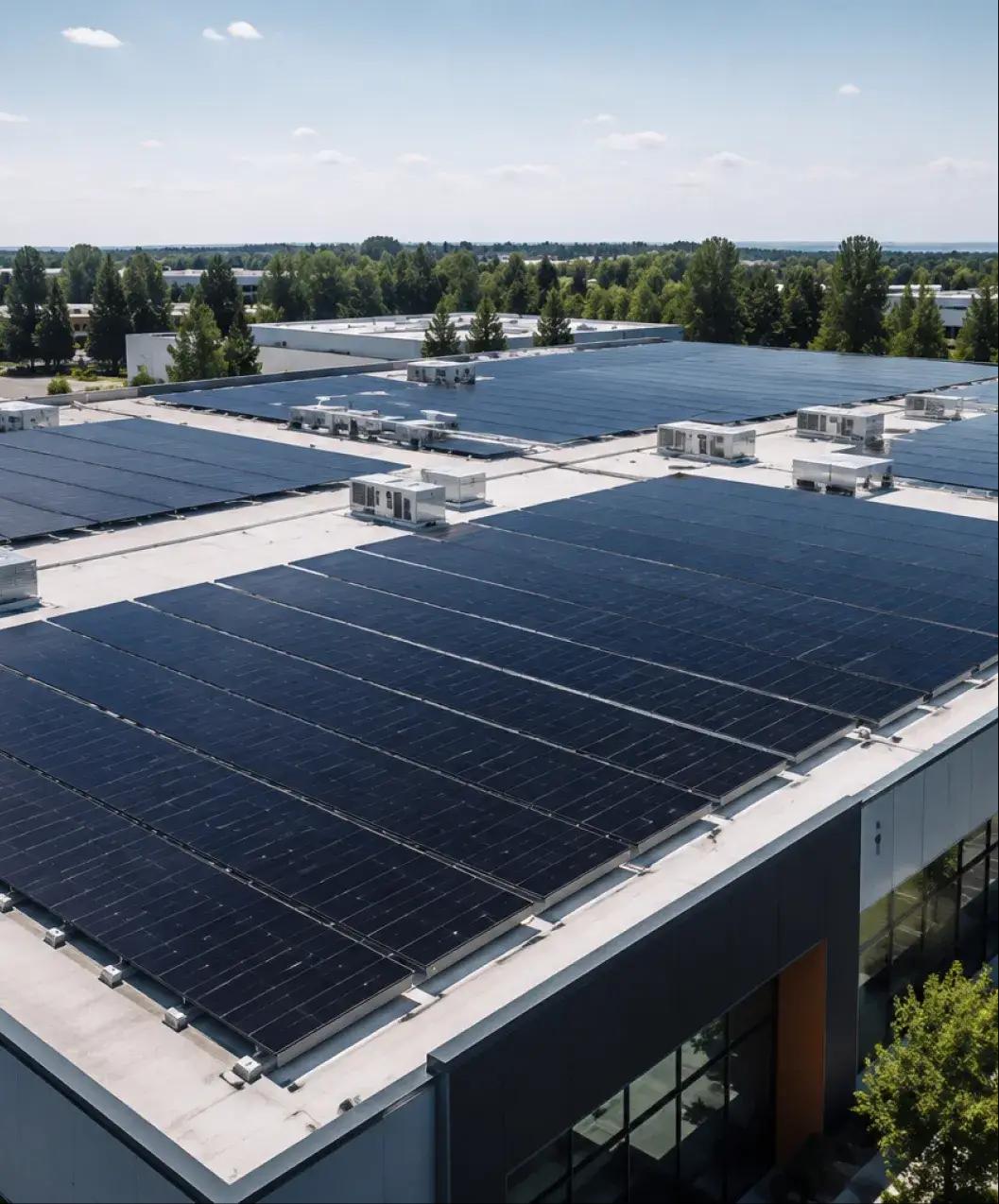
Flat-Roof Solar
Ideal for:
Warehouses
Manufacturing facilities
Shopping centres
Office buildings
Multi-family properties
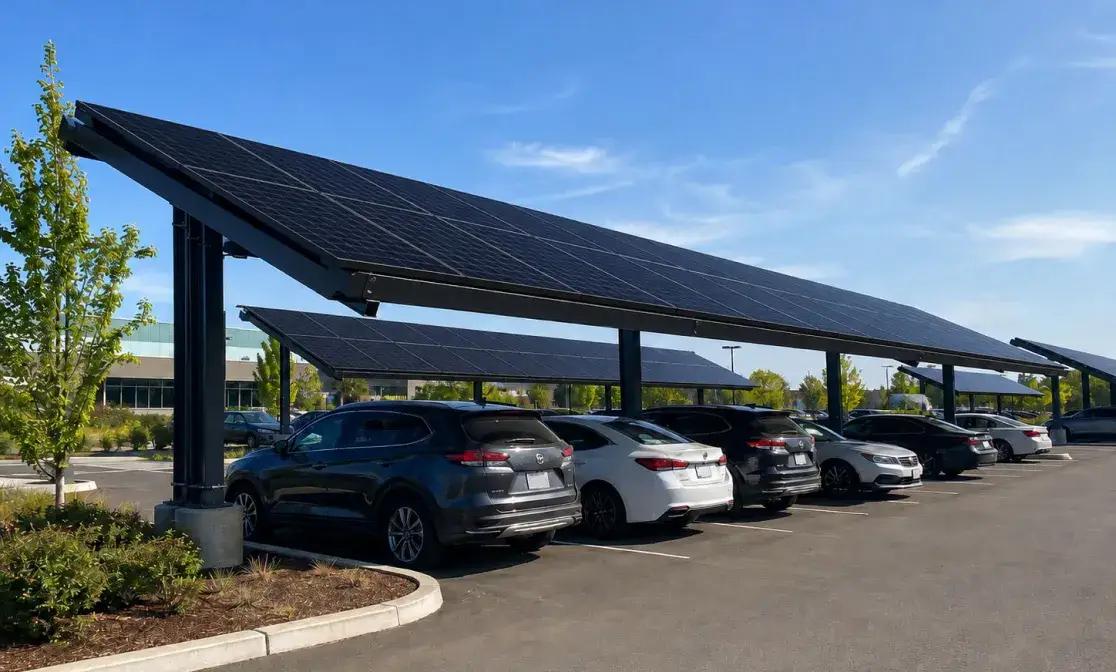
Solar Carports
Ideal for:
Retail properties
Office campuses
Municipal facilities
Car dealerships
Fleet-charging locations
Multi-family properties
Smarter Capital Management
In-House Financing - Sunline
Polaron's market-leading Sunline program functions as a superior alternative to standard solar leasing for businesses, keeping asset ownership firmly in your corporate hands. Deploy high-yield solar without draining operational cash reserves.
Interest Rate: As low as 3.99%
Flexible terms: Up to 15 years*
Buyout Option is Available
*Note: Financing parameters, utility interconnection rules, and credit criteria vary by province. Contact our corporate finance division for local details.

What is the real payback timeline for a commercial solar energy solution in Canada right now?

What is the real payback timeline for a commercial solar energy solution in Canada right now?
Can solar panels alone eliminate my company’s utility demand charges?

Can solar panels alone eliminate my company’s utility demand charges?
How does my business deduct the capital cost of commercial solar systems from our corporate taxes?
How does my business deduct the capital cost of commercial solar systems from our corporate taxes?
Is it better for a business to choose an in-house financing program or standard solar leasing for businesses?
Is it better for a business to choose an in-house financing program or standard solar leasing for businesses?
For the vast majority of Canadian businesses, utilizing an exclusive capital financing framework like Polaron's Sunline program is significantly more profitable than standard solar leasing for businesses or Power Purchase Agreements (PPAs). With a lease, the third-party provider keeps the lucrative 30% federal tax credit, carbon offsets, and accelerated write-offs. By choosing our low-interest financing model, your company retains full asset ownership, allowing you to pocket all government rebates, write off the depreciation, and permanently build equity directly into your commercial property.
Will the physical installation process disrupt our daily warehouse or factory operations?
Will the physical installation process disrupt our daily warehouse or factory operations?
No. A professional commercial solar installer coordinates the entire construction schedule to prevent any operational downtime. The vast majority of the electrical engineering, inverter mounting, and structural panel racking takes place externally on your roof or grounds. Any required utility tie-ins or main electrical panel connections are strategically scheduled during your facility's non-operational hours, weekend shifts, or planned maintenance windows to ensure zero disruption to your daily workflows.


.70e3bcd1.svg)
.6c51ffe3.svg)
.8cbc05bd.svg)
.d07f37ca.svg)
.a26b3396.svg)
.29c01fed.svg)